
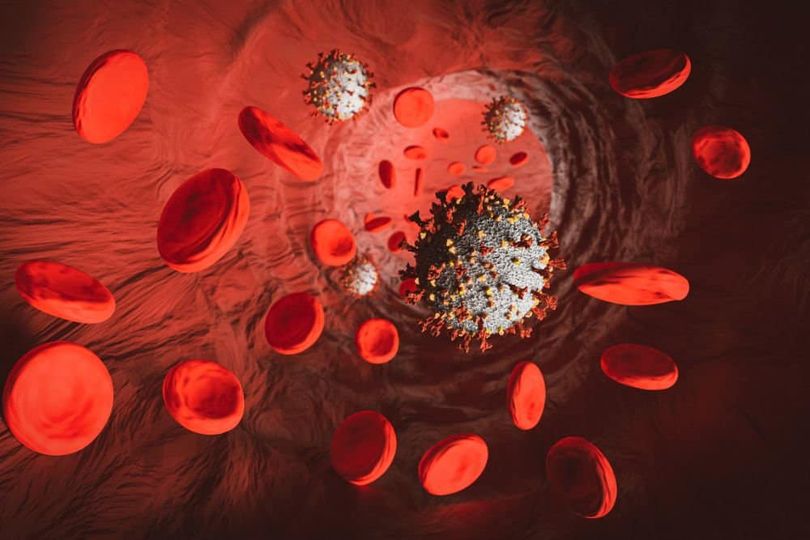
The mechanism of COVID-19 development is directly associated with damage to red blood cells. Based on research and clinical practice, we can be certain that the SARS-CoV-2 virus can attack red bone marrow, not only destroying red blood cells already present in the blood but also preventing the formation of new cells. The virus targets erythrocytes, red blood cells responsible for transporting oxygen-containing hemoglobin throughout our body.
When red blood cells die, they may cause damage to brain nerve cells, blood vessels and internal organs, and may form blood clots. At this point, red blood cells are no longer able to transport oxygen. In severe cases, multiple organ failure may occur, the patient completely loses their own red blood cells and begins to suffocate. A ventilator does not help because there are no red blood cells to transport oxygen. For more effective treatment of these patients, blood transfusions and vitamin B12 are needed. The mechanism of recovery of damaged red blood cells has not yet been clearly studied. Anyone with low hemoglobin or leukopenia is at risk of developing the disease. First of all, these are elderly people, patients with hypertension, people with obesity and diabetes, pregnant women, patients with primary and acquired immunodeficiency, patients with suppression of hematopoietic function, and patients with HIV and cancer. The virus enters the epithelium and mucous membranes, where it reproduces, then enters the bloodstream and attacks other organs (gastrointestinal tract, lungs, reproductive system, urinary tract and red blood cells.
During a viral infection, ferritin can activate macrophages, cells of nonspecific immunity, which begin to fight the source of disease. But when they are activated, they release cytokines — in small amounts these help us fight infection, but if too many are released, cytokines lead to immune-system overload, also known as a “cytokine storm”. Ferritin is a protein responsible for iron absorption in the body. It binds to free iron ions, neutralizes their toxic properties and increases solubility. When too much ferritin is used, this leads to symptoms of iron deficiency – > anemia. This means that when the body lacks ferritin, iron-deficiency anemia occurs. Iron deficiency develops in stages. In the first stage, iron requirements exceed intake, causing a reduction in bone-marrow stores. As stores decrease, iron absorption increases to compensate. In the next stage, iron deficiency affects red blood cell synthesis and eventually causes anemia. Most symptoms of iron deficiency result from anemia. Such symptoms include fatigue, loss of endurance, shortness of breath, dizziness, pallor, headache, numbness of the hands and feet, and rapid heartbeat. In addition to the usual manifestations of anemia, some symptoms found in severe iron deficiency include inflammation of the tongue, dry cracked lips, hair loss and spoon-shaped nails (koilonychia). Women may also experience menstrual disorders or amenorrhea.
Therefore, anyone who has had Covid needs to be tested for indicators of anemia and iron deficiency: complete peripheral blood count, serum iron, iron-binding capacity, serum ferritin, transferrin saturation, reticulocytes, red blood cell distribution width (RDW), and a peripheral blood smear.
————————————–
Compiled according to information from a doctor