

In modern life, stress seems almost impossible to avoid. It affects many aspects of human health, and one of its most visible negative effects is its impact on beauty and the skin.
Stress not only reduces the skin’s beauty and youthful appearance but may also lead to many serious skin problems.
A trigger for acne and skin conditions
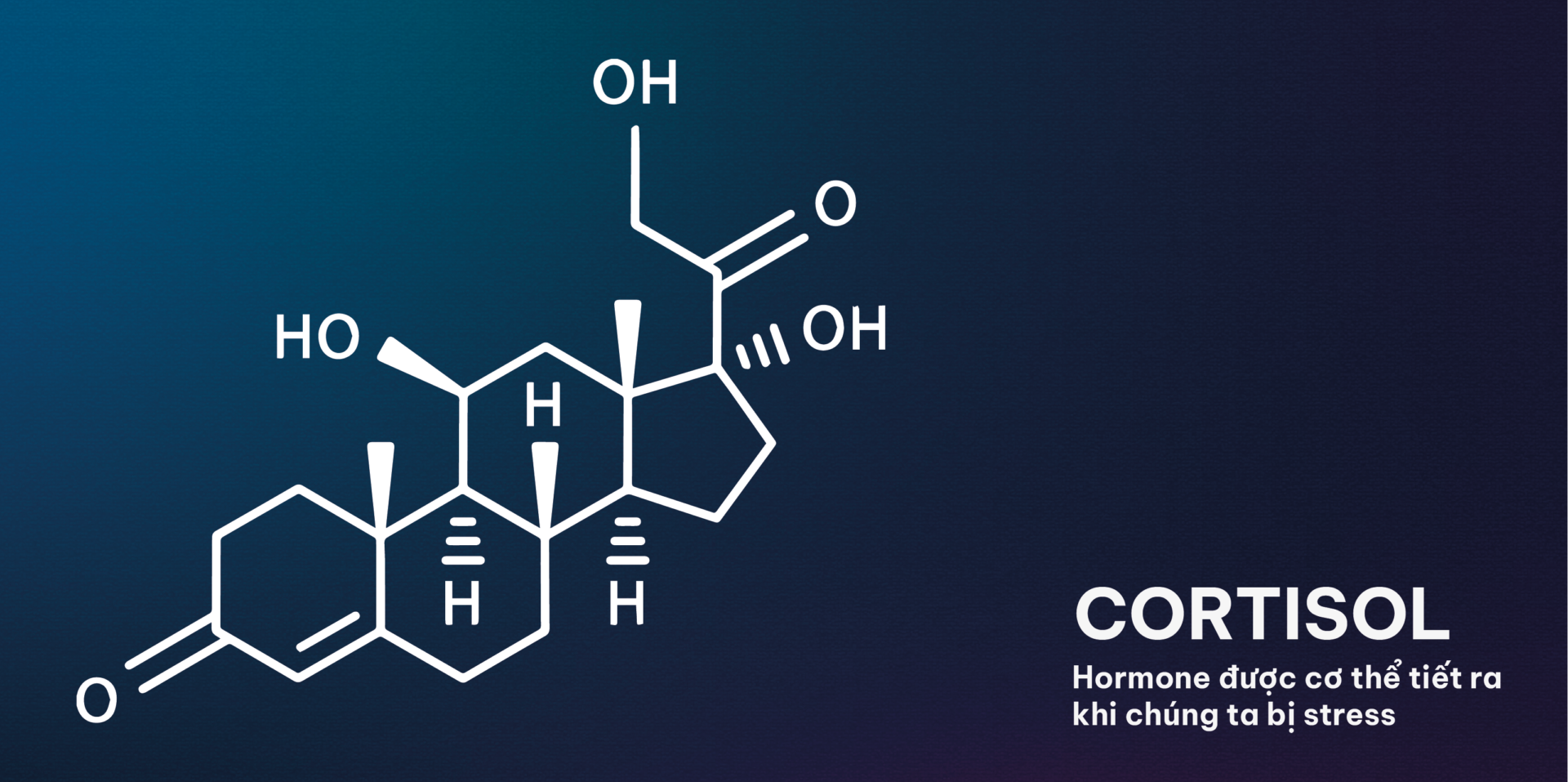
When You are stressed, the sympathetic nervous system is activated, leading to the production of cortisol — a hormone. Cortisol plays an important role in regulating biological responses, but when its levels remain high for a long time, it may cause negative changes in the skin.
Cortisol stimulates the sebaceous glands to work more actively, resulting in oily skin that is more prone to acne. Excess oil combined with dirt and dead skin cells may clog pores, causing acne and inflammation. If this persists, it may contribute to skin conditions such as atopic dermatitis, psoriasis and rosacea (facial redness).
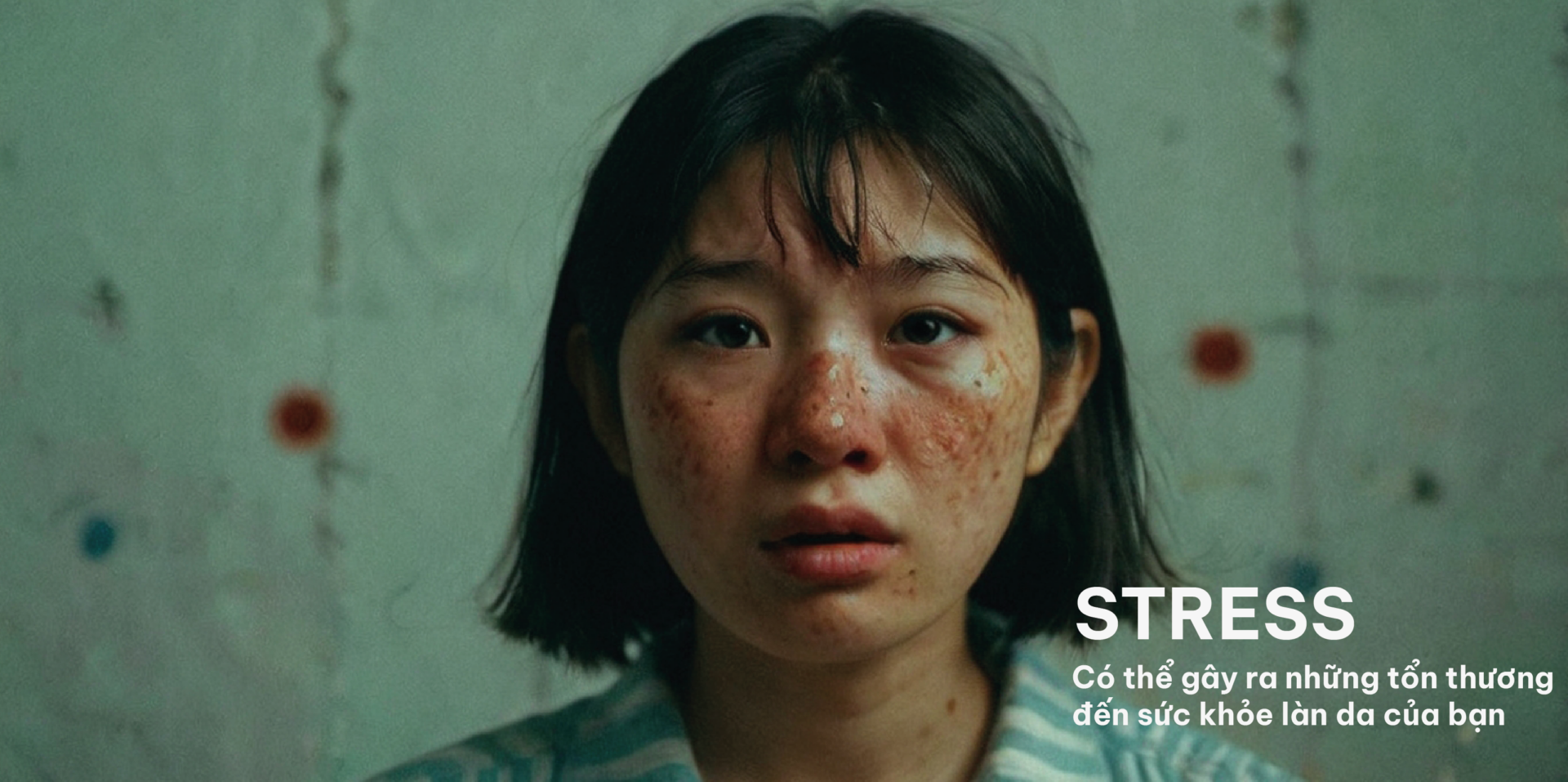
In addition, stress weakens the protective function of the skin barrier, making the skin dry, vulnerable and slower to recover. Skin-cell renewal also slows down, causing the skin to lose its youthful appearance and making signs of aging such as wrinkles and dark spots appear more easily.
Skin aging and pigmentation disorders
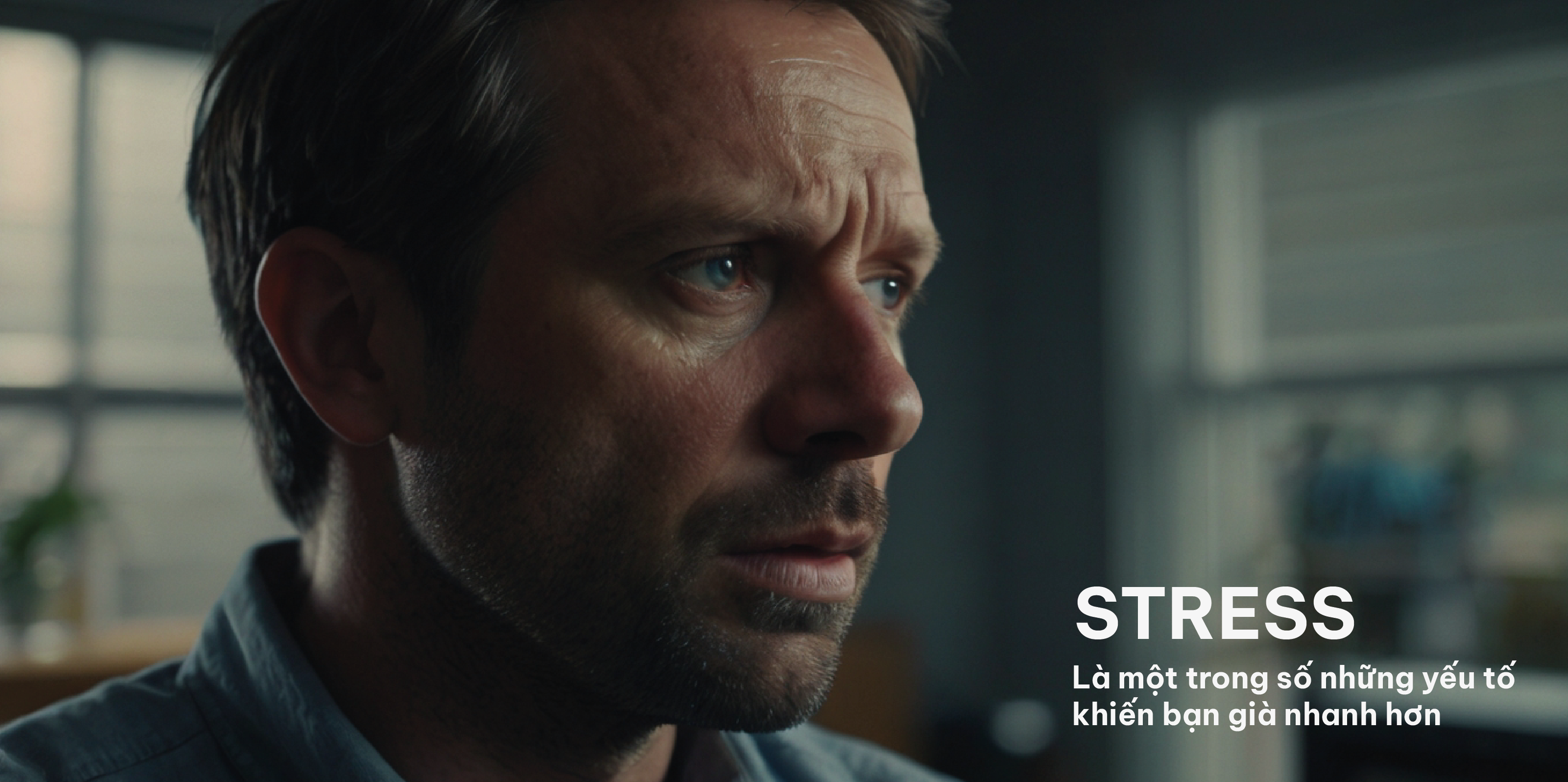
Cortisol can break down collagen and elastin, two important proteins that keep the skin firm and elastic. When collagen and elastin levels decrease, the skin becomes thinner, more prone to sagging and wrinkles. Therefore, stress may accelerate the skin-aging process.
In addition, stress may cause oxidative stress, in which free radicals attack skin-cell structures. Oxidative stress is considered one of the major causes of skin aging, making the skin lose brightness and smoothness and accelerating the appearance of signs of aging.

Stress may disrupt melanin production, leading to pigmentation problems such as melasma, freckles or uneven skin tone. This disruption is often associated with chronic inflammatory responses and the effects of stress hormones on melanin production.
Ways to reduce the effects of stress on the skin
STRESS MANAGEMENT
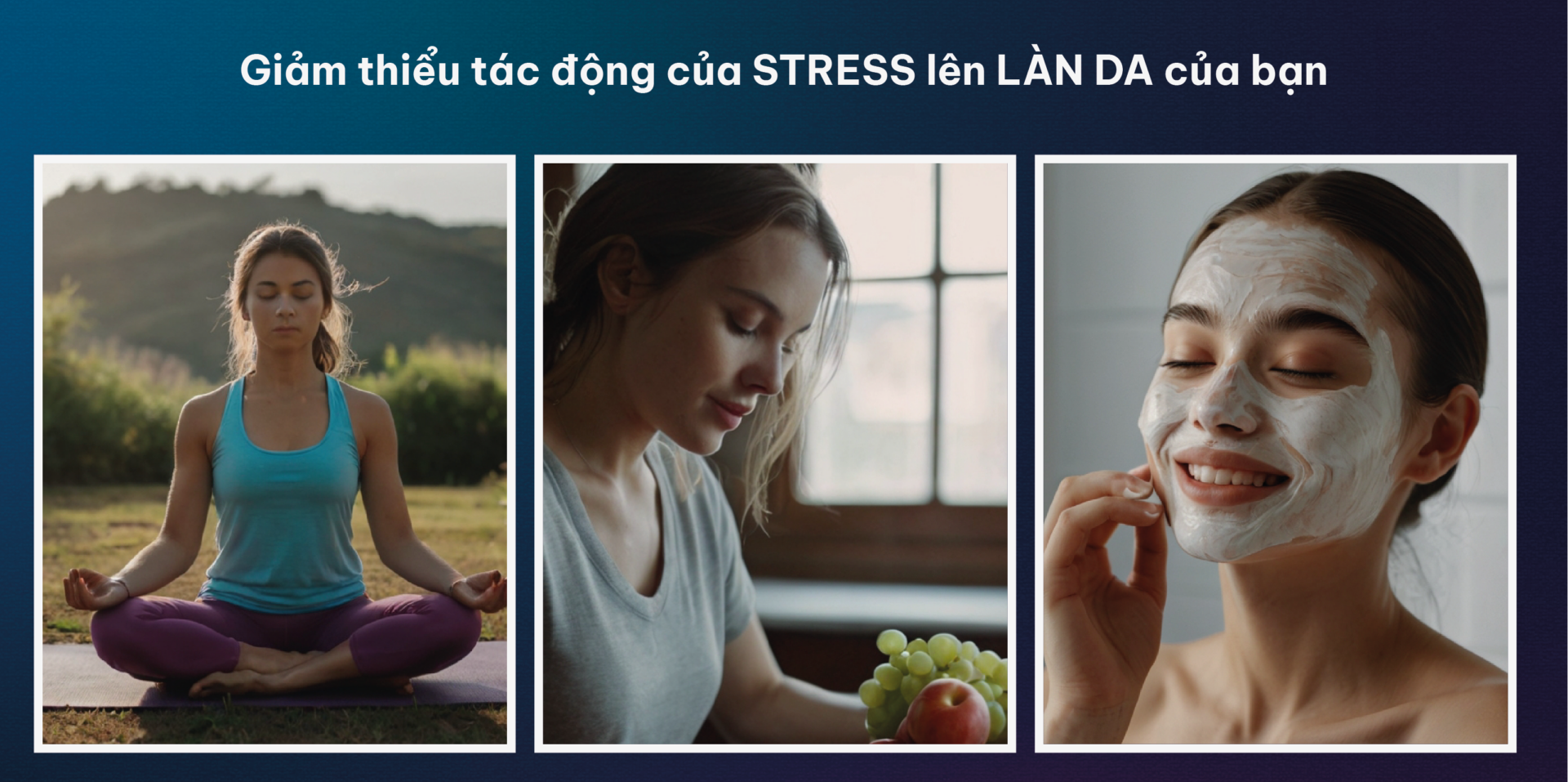
One of the most effective ways to protect the skin from the effects of stress is to manage stress well. Techniques such as meditation and yoga may help reduce stress and maintain emotional balance. Products containing natural extracts that help reduce stress, such as LifeWise 365 Sleep, may also be worth considering to help improve mental well-being and, through that, the appearance of the skin.
PROPER SKINCARE
Using skincare products containing antioxidants such as vitamins C and E, may help protect the skin from the effects of oxidative stress. At the same time, maintaining a moisturizing routine and protecting the skin from UV rays is also very important for keeping the skin healthy.
HEALTHY DIET
A nutrient-rich diet, especially foods containing omega-3, antioxidants and vitamins may help improve skin condition and reduce the effects of stress on appearance.