
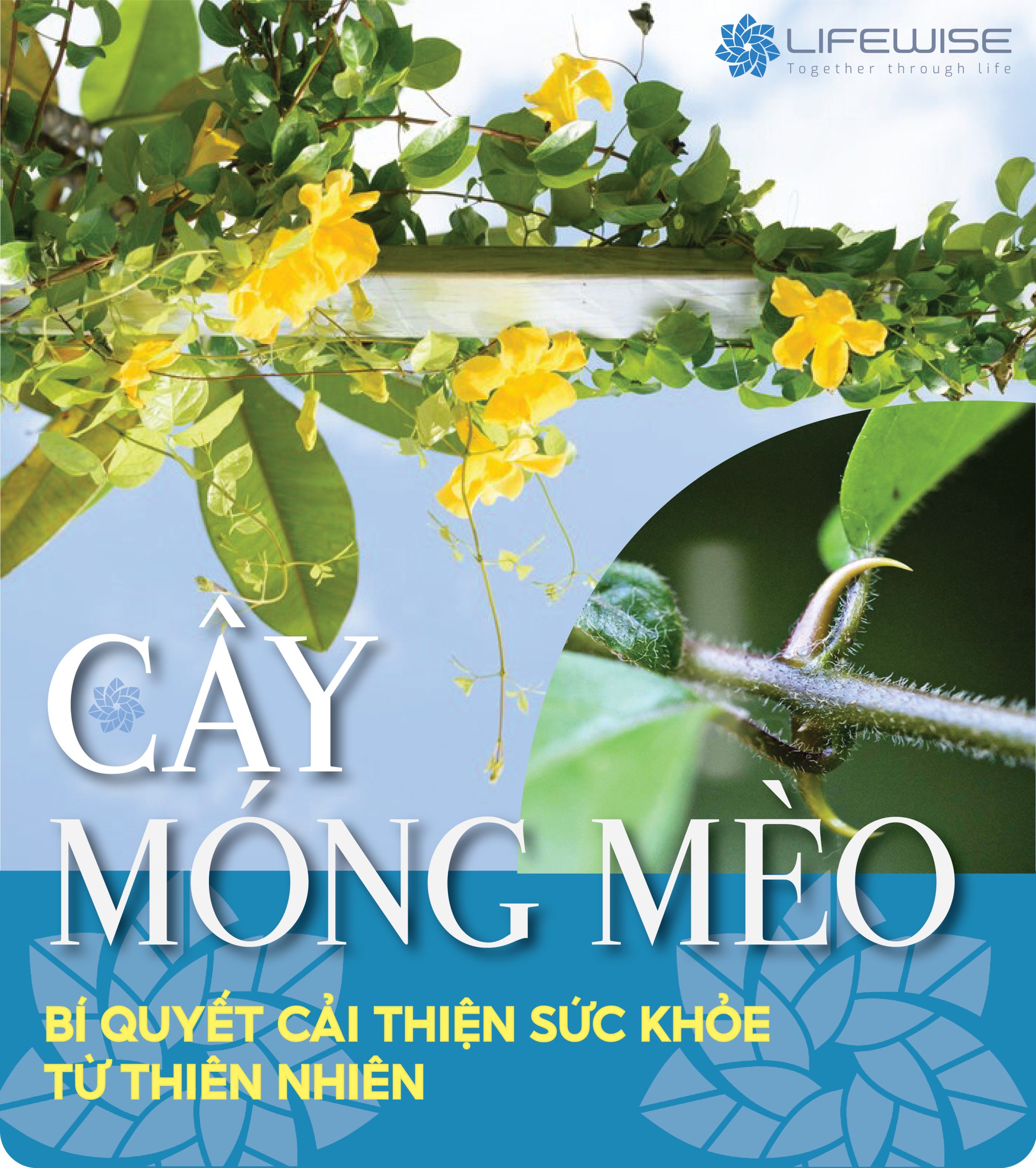
Cat’s claw (Uncaria tomentosa) is a tropical woody vine found mainly in the Amazon rainforest and other tropical regions of South and Central America. This herb has sharp thorns shaped like a cat’s claws, which is why it is called Cat’s claw.
🌿 The bark and roots of Cat’s claw have been used for centuries in South America as a traditional remedy for inflammatory conditions, cancer, arthritis, stomach ulcers, dysentery and fever. Today, as medicine develops, scientists have studied and discovered additional uses of Cat’s claw to support the treatment of serious human diseases.
🌿 Cat’s claw contains many plant chemicals such as flavonoids, alkaloids, oleanic acid, epicatechin, quinic acid and carboxy alkyl esters … which are associated with numerous health benefits.
✔️𝑬𝒑𝒊𝒄𝒂𝒕𝒆𝒄𝒉𝒊𝒏 in Cat’s claw is a powerful antioxidant that helps remove free radicals that damage cells and is said to destroy tumor and cancer cells. It also supports cardiovascular health and reduces the risk of developing diabetes.
✔️𝑶𝒍𝒆𝒂𝒏𝒊𝒄 𝒂𝒄𝒊𝒅 is a substance that fights viral infections, strengthens the immune system and supports liver health.
✔️𝑸𝒖𝒊𝒏𝒊𝒄 𝒂𝒄𝒊𝒅 can activate antioxidant function and has strong anti-inflammatory properties. It is used for digestive disorders such as IBS, IBD, colitis, gastritis and peptic ulcers.
✔️𝑨𝒍𝒌𝒂𝒍𝒐𝒊𝒅 acts as a calcium-channel blocker and is used to treat high blood pressure by preventing calcium from entering heart cells and blood-vessel walls, while widening and relaxing blood vessels to help blood flow more smoothly.
✔️Especially notable are 𝑪𝒂𝒓𝒃𝒐𝒙𝒚 𝒂𝒍𝒌𝒚𝒍 𝒆𝒔𝒕𝒆𝒓𝒔 in Cat’s claw, which may support the DNA-repair function of cells in the body, slow aging and slow the growth of tumors and cancer cells.