
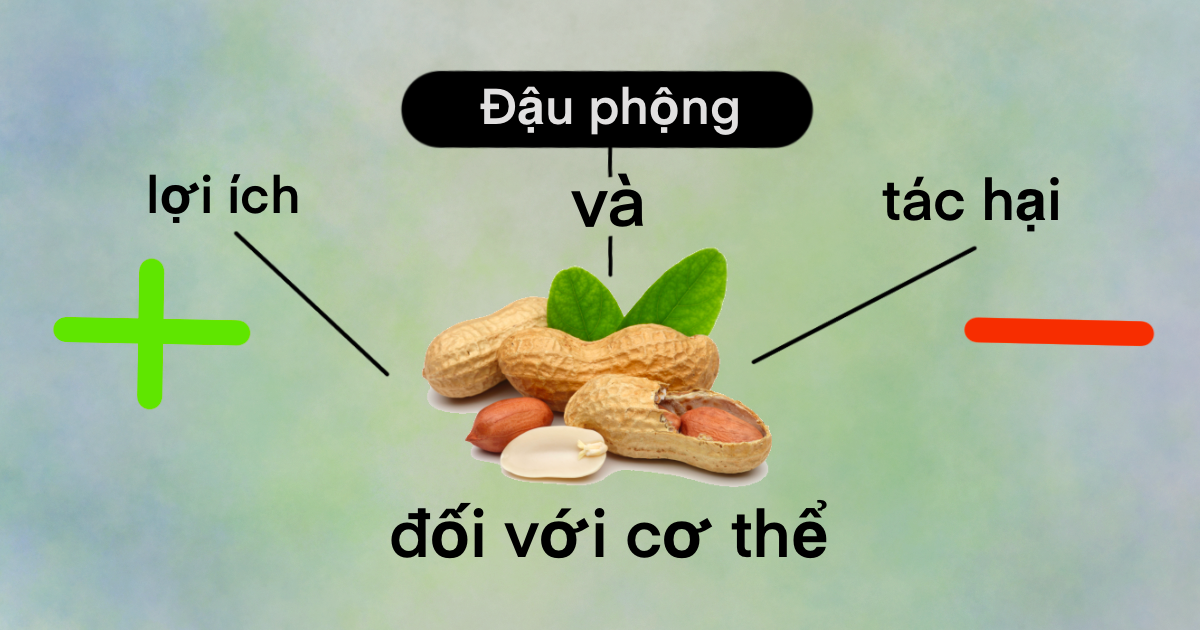
Peanuts are a high-calorie food: 100 grams contain 530–560 kcal. Peanuts contain fatty oils that quickly create a feeling of fullness. In addition, peanuts contain up to 37% protein. As is known, protein is the main building material for nourishing the body.
- In terms of chemical composition, peanuts are rich in amino acids, vitamins B, E, H, potassium, silicon, magnesium, manganese and phosphorus. Thanks to this, peanuts help improve cardiovascular function and metabolism, reduce the risk of coronary heart disease, and lower the level of “bad” cholesterol in the blood. Regular peanut consumption helps reduce the risk of kidney stones.
- Peanuts support stable gastrointestinal function thanks to their high fiber content, which reaches the intestine unchanged.
- Peanuts have a low glycemic index (23), so they do not cause sharp spikes in blood sugar and are allowed for people with diabetes.
- Peanuts are a source of arginine, an amino acid that is very important for men!
- Peanuts are contraindicated when symptoms of allergy appear and in diseases associated with iron absorption in the body.