
As life expectancy increases, the need for healthcare for older adults becomes more urgent than ever. Common conditions in older people affect not only physical health but also quality of life, psychological well-being from the patient’s perspective, and society and the economy more broadly. Understanding these conditions and preventive measures may reduce their impact and increase proactive health management.
No. 10: Alzheimer’s disease and dementia
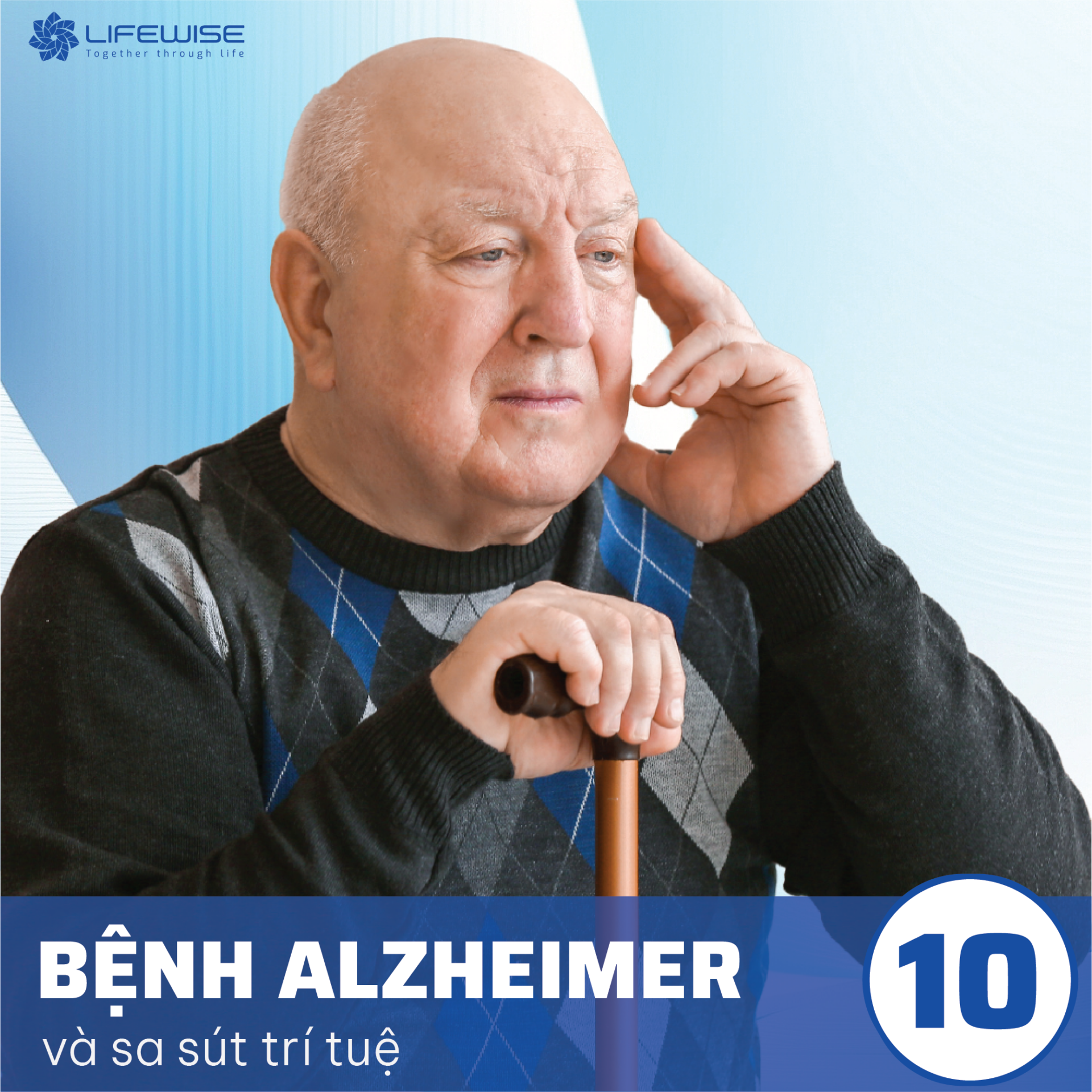
Alzheimer’s disease is a specific type of dementia — a condition that causes memory loss and difficulty thinking or solving problems to the point that daily activities are affected. Dementia is not a normal part of aging but results from changes in the brain over time.
No. 9: Depression

16% of older adults have sought treatment for depression — a treatable medical condition that is not a normal part of aging. Depression causes persistent sadness, pessimism, hopelessness, fatigue, difficulty making decisions, changes in appetite, loss of interest in activities and many other symptoms.
No. 8: Heart failure
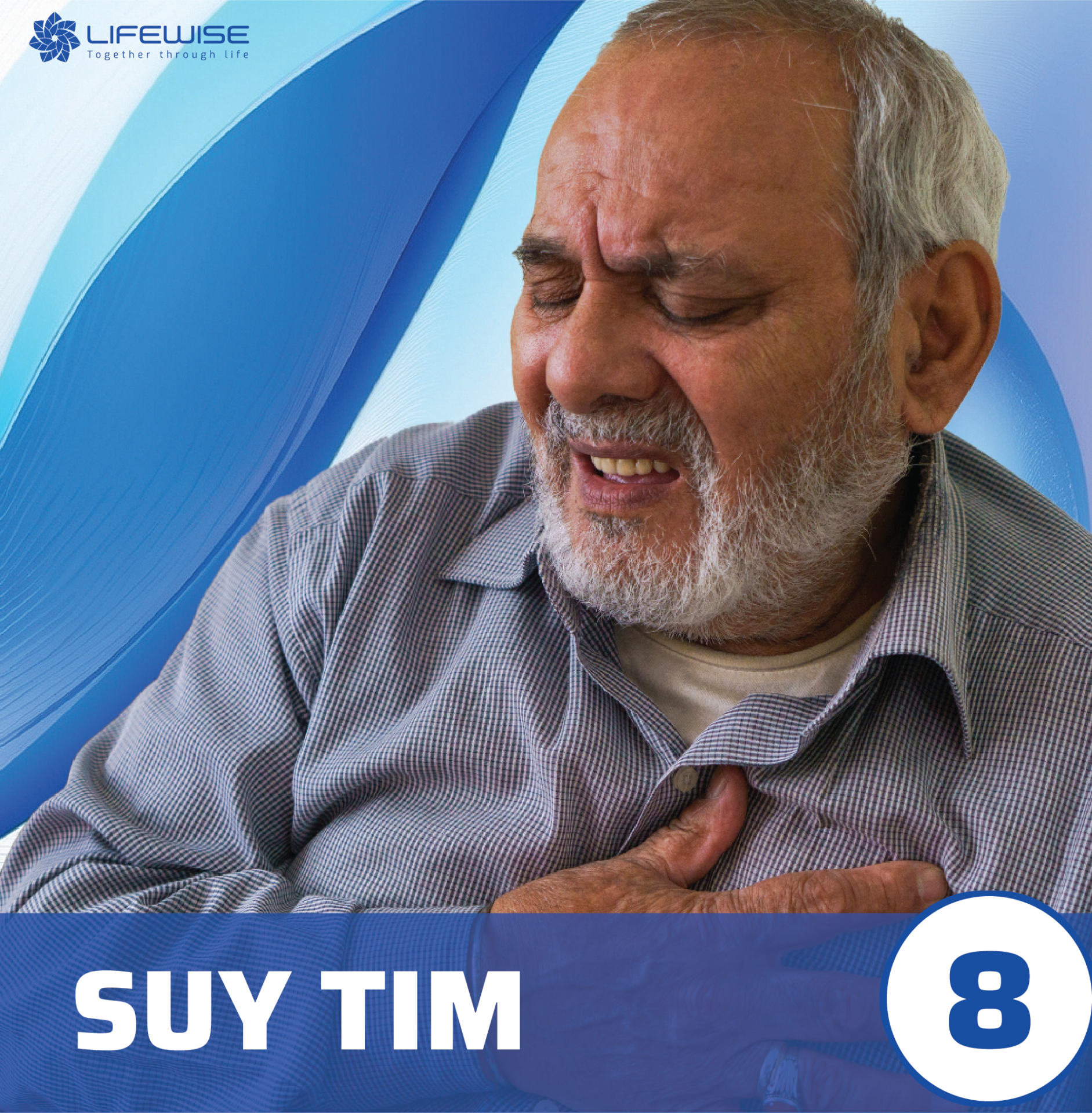
About 5% of older adults have been treated for heart failure — a condition that occurs when the heart cannot provide enough blood and oxygen to all organs in the body. The heart may become enlarged, develop more muscle mass or pump faster to meet the body’s needs, which may make You feel tired, dizzy, nauseous, confused or lose Your appetite.
No. 7: Chronic kidney disease (CKD)

Nearly 25% of older adults have been treated for chronic kidney disease (CKD), a condition involving the gradual decline of kidney function over time. People dealing with CKD have an increased risk of developing heart disease or kidney failure.
No. 6: Diabetes
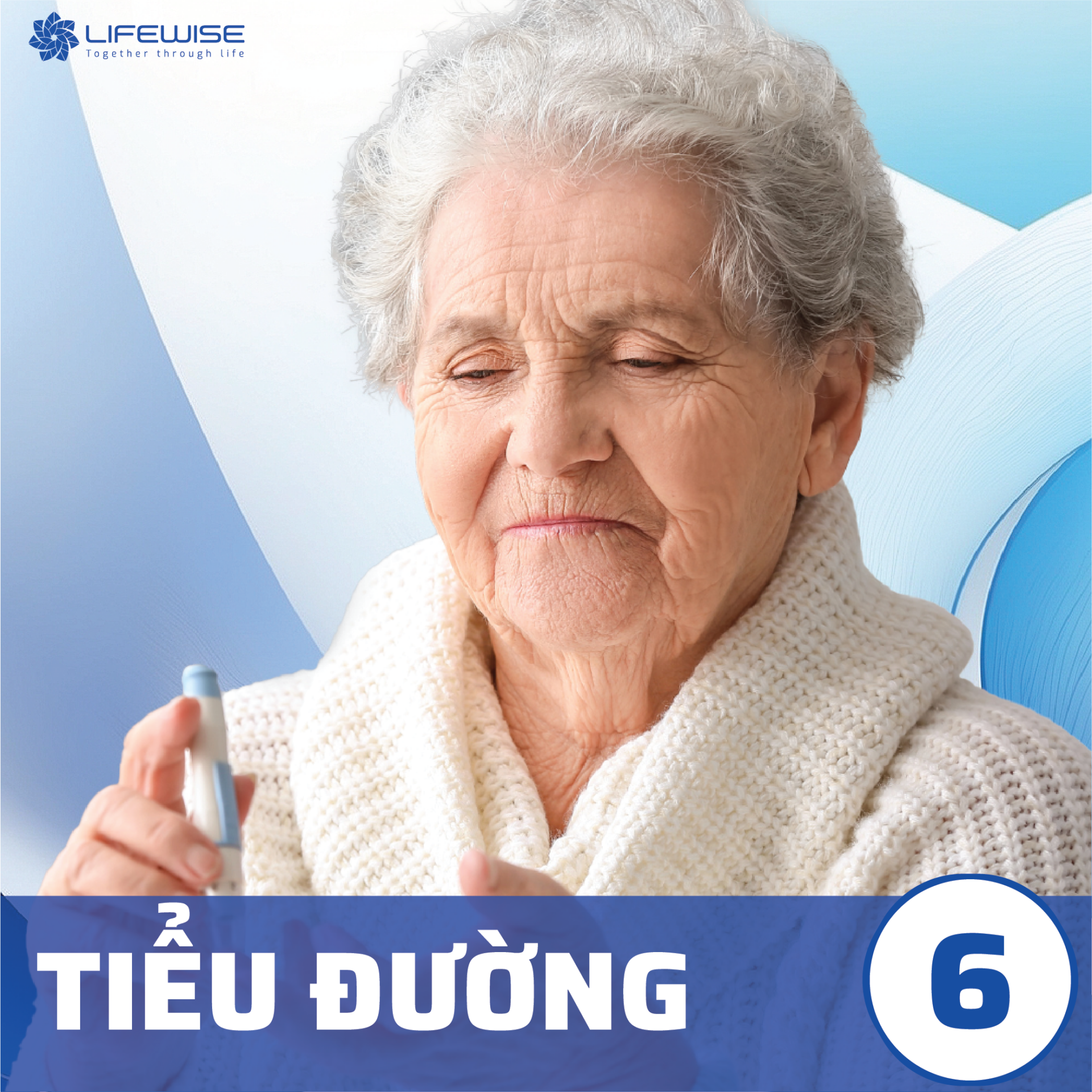
27% of older adults have been treated for diabetes — a disease that occurs when the body becomes resistant to insulin or does not produce enough insulin. Insulin is what the body uses to obtain energy from food and deliver it to cells. When this does not happen, blood sugar rises, which may lead to complications such as kidney disease, heart disease or blindness. The risk of diabetes increases after age 45.
No. 5: Ischemic heart disease (or coronary artery disease)

Nearly 29% of older adults have been treated for ischemic heart disease — a condition caused by plaque buildup that narrows the arteries leading to the heart. Narrowed or blocked arteries reduce the amount of oxygen-rich blood supplied to the heart. This may cause other complications such as blood clots, angina or myocardial infarction.
No. 4: Arthritis

About 35% of older adults have been treated for arthritis — joint inflammation that causes pain and stiffness and is more common in women. Arthritis is a condition affecting the joints, causing pain and reducing quality of life. Its health effects may include pain, inflammation, difficulty moving, joint deformity, increased risk of other diseases and reduced quality of life.
No. 3: Obesity

About 40% of older adults aged 65 and over are living with obesity, a chronic disease associated with more than 200 other chronic conditions.
No. 2: High cholesterol
More than 50% of older adults have been treated for high cholesterol — a condition that occurs when Your body has too much bad fat (or lipids), leading to clogged arteries, which may result in heart disease.
No. 1: Hypertension (high blood pressure)
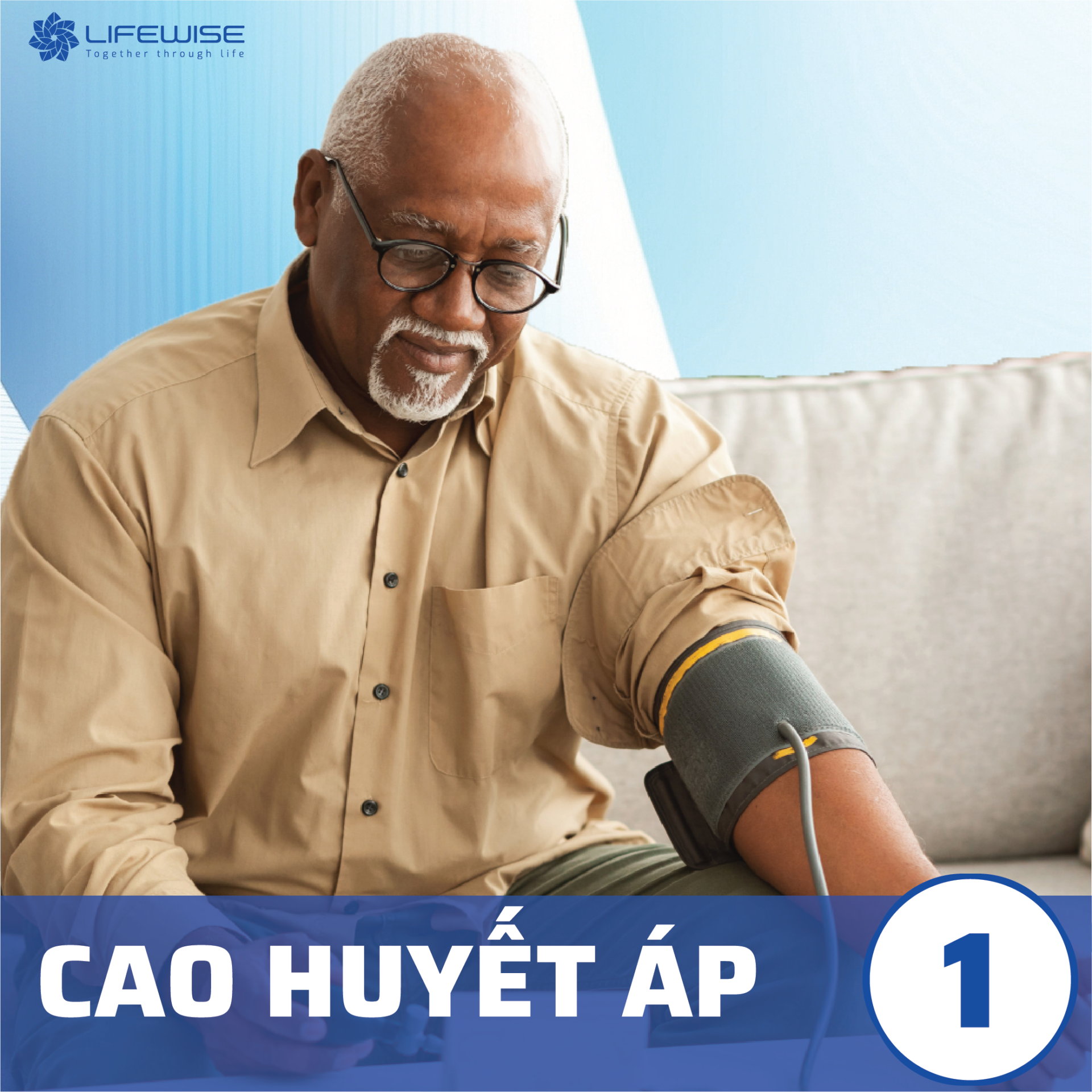
Nearly 60% of older adults have been treated for hypertension — a common condition related to both the amount of blood Your heart pumps and how much resistance Your arteries create to blood flow. When the heart pumps a lot of blood and the arteries are narrow, restricting blood flow, high blood pressure or hypertension develops. The danger of hypertension is not only that You may have it for years without knowing, but also that it can cause other serious health conditions such as stroke and myocardial infarction.