
Protein is an essential macronutrient that needs to be supplied to the body through the daily diet.
Besides animal protein sources such as red meat, eggs and milk…, plant protein is also becoming a popular dietary trend, providing healthy protein sources that animal proteins cannot offer.
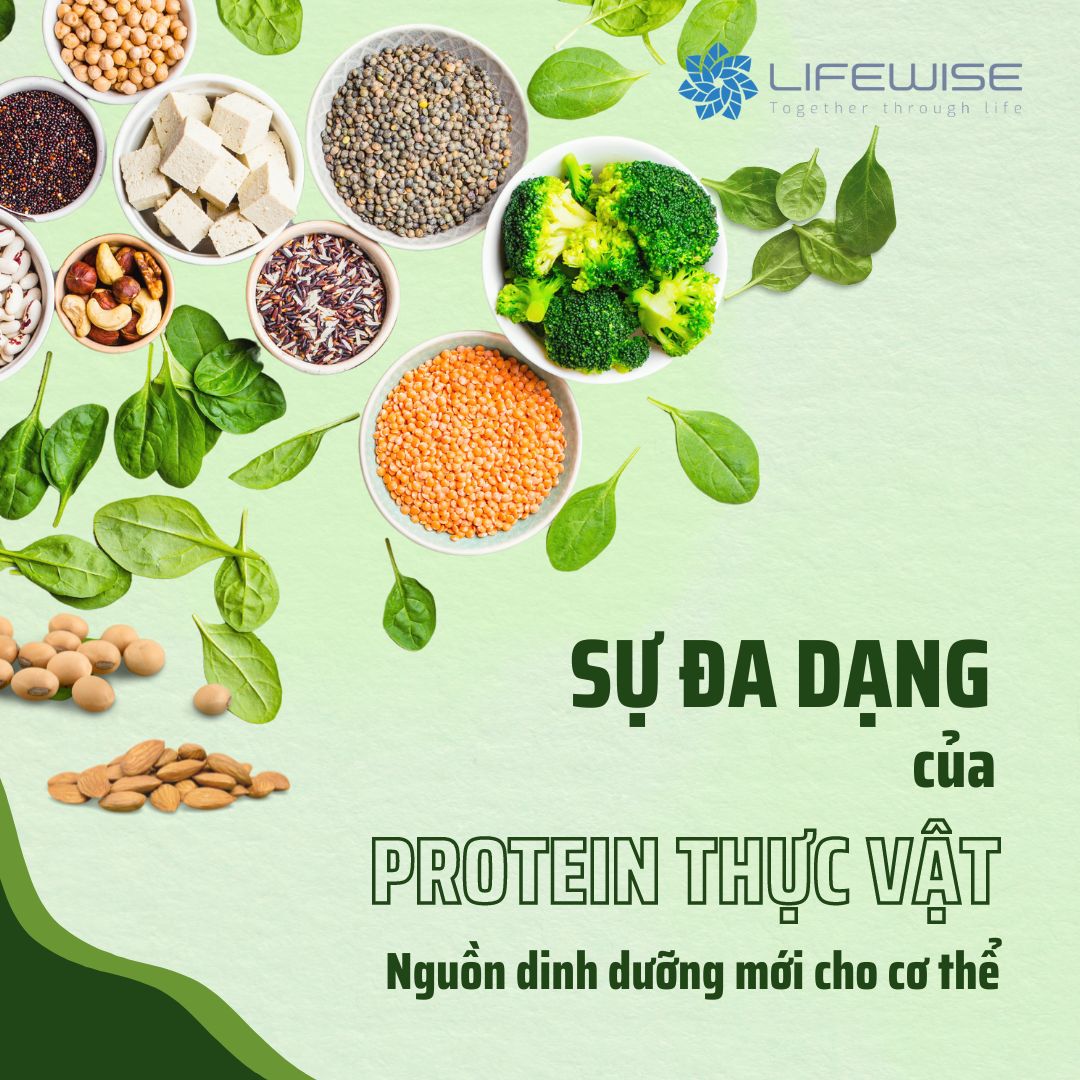
Plant protein can be found in many different foods such as:
- Legumes: Soybeans (soy products such as tofu, milk…), peas, peanuts… In particular, soybeans are rich in protein and contain all the essential amino acids that the body cannot produce on its own.
- Nuts and seeds: Almonds, cashews, walnuts, hemp seeds, pumpkin seeds, sunflower seeds, sesame seeds, chia seeds…
- Whole grains: quinoa, oats, buckwheat…
- Other sources of plant protein: corn, broccoli, asparagus, artichokes…
Plant protein is not only nutrient-rich, but also contains less saturated fat and no cholesterol, bringing many health benefits such as reducing the risk of cardiovascular disease and diabetes, increasing metabolism, improving digestive function and supporting weight loss. In addition, producing plant foods generally uses fewer resources and creates fewer emissions that pollute the environment, which may help reduce negative environmental impacts.
Add plant protein to Your daily menu to provide the body with new and diverse sources of nutrition and keep it full of energy!